
Squeeze Page Best Practices That Turn Real Traffic Into Leads
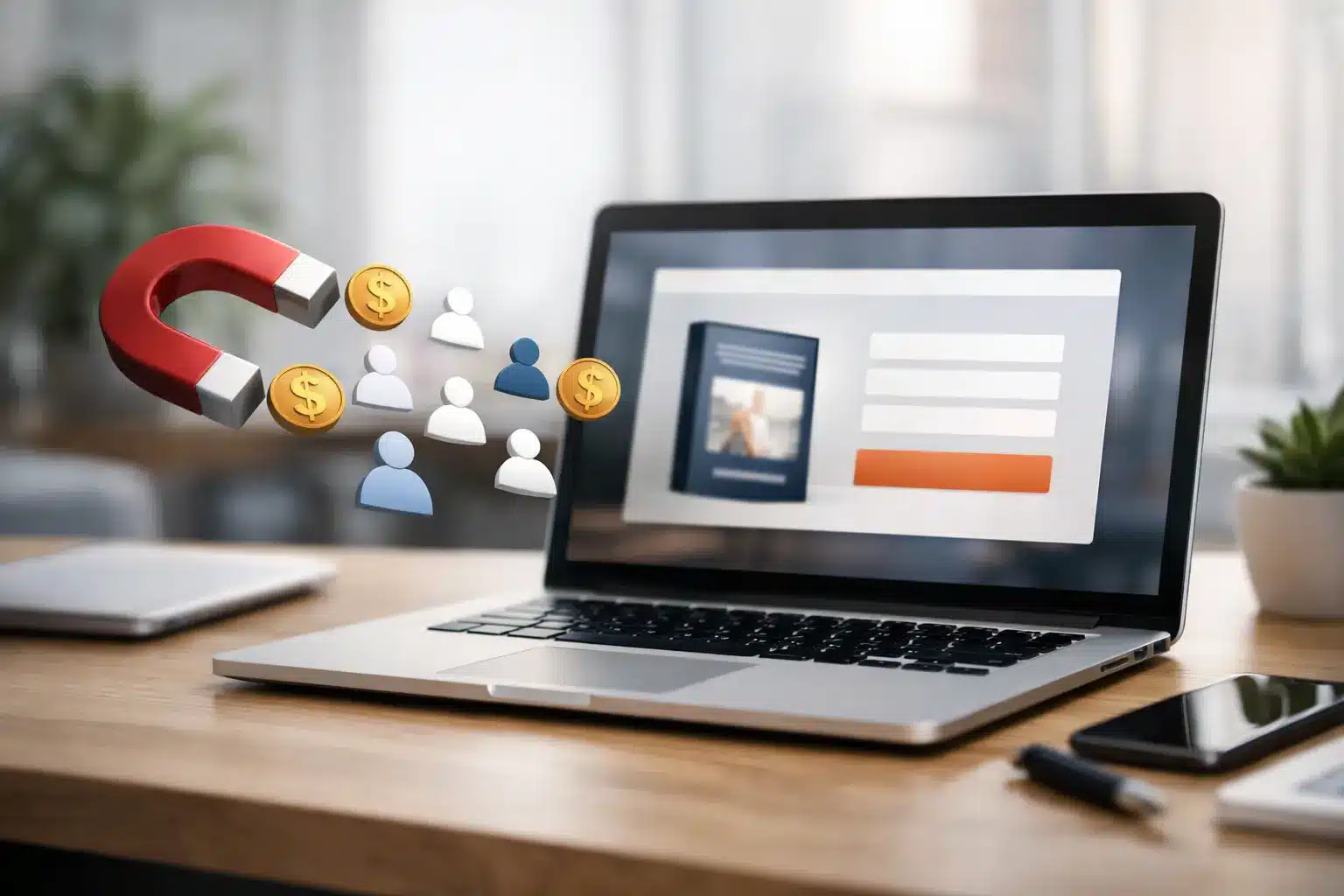
A squeeze page has one job: turn a visitor into a lead. That sounds simple until you have paid for traffic, watched visitors arrive, and seen very few of them opt in. When that happens, the issue is rarely just traffic volume. Your squeeze pages may be attracting the wrong people, asking for too much too soon, or failing to give a clear reason to take the next step.
For affiliate marketers, network marketers, and funnel builders, a strong squeeze page is not a design project. It is the front door of your list-building system. It should make a specific promise, create enough trust to earn an email address, and prepare the right prospect for what comes next.
What a Squeeze Page Is Really Meant to Do
A squeeze page is a focused landing page built around a single conversion action, usually an email opt-in. Unlike a full website page, it removes competing paths. There is no crowded navigation, no catalog of offers, and no long explanation of every feature of your business.
The goal is not to tell your entire story. The goal is to earn permission to continue the conversation.
That distinction matters when you buy traffic. A visitor who opts in is not automatically a qualified lead or future buyer. But a clear, relevant page can improve the odds that the people joining your list actually care about the problem your offer solves. This is why lead quality matters as much as opt-in rate.
A page that gets 45% of visitors to submit an email may look impressive. If those subscribers never open messages, never click, and never engage with the next offer, the number is mostly a vanity metric. A page converting at 25% can be far more valuable if it attracts people who take action after they join.
The Core Elements of High-Converting Squeeze Pages
The best squeeze pages are usually simpler than marketers expect. They do not depend on flashy animations, complicated copy, or ten different bonuses. They make a relevant offer to a defined audience and make the action obvious.
Start With a Specific Outcome
Your headline should answer the visitor’s first question: What do I get if I give you my information?
Generic headlines such as “Join Our Community” or “Get More Information” make the visitor do the work. A stronger headline names the outcome or opportunity in plain language. For example, a lead magnet for new affiliate marketers might promise a short checklist for setting up a basic follow-up funnel. A page for network marketers could offer a script pack for starting more conversations without sounding pushy.
Specific does not mean exaggerated. Avoid promises you cannot prove or control. Claims about guaranteed earnings, instant sales, or effortless results may produce curiosity clicks, but they also attract skepticism and low-intent leads. Strong direct-response marketing is clear about the value without pretending every prospect will get the same result.
Make the Offer Feel Worth the Exchange
An email address has value. People protect it because they know it often leads to more promotions, more follow-up, and more noise in their inbox. Your offer needs to justify that exchange.
Useful squeeze-page offers are usually practical and close to the prospect’s immediate problem. A one-page tracker, a short training, a swipe file, a lead follow-up template, or a simple funnel audit can work well when it helps the audience take a next step. The format matters less than relevance.
Do not force a large product into the opt-in stage. If your offer needs ten minutes of explanation before someone understands it, it may belong on a sales page or webinar registration page instead. A squeeze page works best when the value can be understood in seconds.
Reduce Friction at the Form
Every extra field creates resistance. If email delivery is all you need, ask for an email address. If first-name personalization will improve your follow-up, ask for a first name and email. Asking for a phone number, physical address, business size, and income goal before delivering a basic lead magnet will usually reduce conversions.
There are exceptions. Higher-ticket consultations, applications, and appointment funnels need more qualification. In that case, fewer but more serious leads can be the correct result. The right form length depends on what happens after the opt-in and how much sales effort each lead requires.
Your call to action should describe the next step, not just the button itself. “Send Me the Checklist” is clearer than “Submit.” “Get the Free Training” is better than “Click Here.” The visitor should know exactly what will happen after pressing the button.
Match the Page to the Traffic Source
Traffic quality and page relevance work together. Even a well-written page will struggle if the visitor expected something different when they clicked.
If your ad, email drop, solo promotion, or social post promises a guide to generating leads, the page must continue that conversation immediately. The same topic, same core benefit, and same level of commitment should carry through. When there is a disconnect, people leave because they feel they were sent somewhere unexpected.
This is especially important for marketers who have been burned by fake clicks, bot traffic, or broad untargeted placements. Real human traffic gives your funnel a fair chance, but it does not eliminate the need for message match. The traffic source brings people to the door. Your squeeze page tells the right people why they should walk in.
A simple way to check alignment is to read your traffic source copy and then read your page headline. If they seem like two separate campaigns, fix that before increasing spend.
A Better Squeeze Page Still Needs Better Traffic
Even a great page can’t convert bots, junk clicks, or visitors who were never interested in your offer. ELP delivers real Tier-1 traffic tracked through Traffic OS, so you can see what happens after the click—not just count visitors.
Real clicks. Real people. Verified after the click.
100% money-back guarantee.
Build Trust Before Asking for the Opt-In
Visitors do not need a long company history to opt in, but they do need a reason to believe the offer is legitimate. Trust comes from clarity, consistency, and proof.
Use a clean page layout that is easy to read on mobile. Make the offer easy to understand. State what the visitor will receive and when they will receive it. If you use testimonials, screenshots, or results, make sure they are relevant and honest. A vague testimonial about someone loving your business adds little. A short statement about how a resource helped someone organize follow-up is more believable because it is specific.
You can also lower anxiety with a brief privacy statement near the form. Let people know you will not sell their information and that they can unsubscribe. This is not glamorous copy, but it addresses a real concern.
Trust is also built after the opt-in. Deliver the promised resource quickly. If the first email is delayed, confusing, or packed with unrelated promotions, you weaken the relationship before it starts.
Common Mistakes That Cost You Leads
The most expensive squeeze-page mistake is trying to do too much. Marketers often add extra headlines, multiple offers, long origin stories, social links, and several calls to action because they do not want to leave anything out. The result is a page with no clear priority.
Another common mistake is optimizing only for opt-in rate. If you remove all qualifying language, you may get more leads at the top of the funnel. But you can also bring in people who have no interest in your core offer. The better question is not simply, “How many leads did I get?” It is, “What did those leads do next?”
Watch open rates, link clicks, replies, booked calls, sales-page visits, and purchases where possible. Those signals tell you whether your page is feeding a real business system or just growing an unresponsive list.
Mobile neglect also costs conversions. Many visitors will see your page on a phone. Check that the headline is readable, the form is easy to complete, the button is visible, and the page does not feel like a wall of text. A page can look polished on a desktop and still lose paid traffic on mobile.
Test Changes With a Business Goal in Mind
Testing matters, but random testing wastes time. Start with the largest variables: the headline, the offer, the traffic-to-page message match, and the form length. These changes can affect both conversion volume and lead quality.
Test one meaningful change at a time when possible. If you change the headline, image, offer, button copy, and traffic source all at once, you will not know what created the result. Give the test enough traffic to reveal a pattern rather than making decisions after a few visits.
Also measure the full path. A lower-cost lead is not automatically better. If one traffic source delivers leads for less but produces no email engagement, while another costs more and creates buyers, the second source may provide a much stronger return. Extreme Lead Program is built around this principle: prioritize real human traffic and business outcomes over inflated visitor numbers.
A Squeeze Page Is the Beginning of the Relationship
Your page does not need to be clever. It needs to be clear, relevant, and credible enough for the right visitor to take one small step. Then your follow-up needs to deliver on the reason they opted in.
Before sending more traffic, look at your squeeze page through the prospect’s eyes. Can they tell what they get, why it matters, and what happens next within a few seconds? If not, simplify the message. Better traffic deserves a better first impression, and a better first impression gives your list a stronger chance to become a real revenue asset.
Frequently Asked Questions About Squeeze Pages
What is a squeeze page?
A squeeze page is a focused landing page designed to capture a visitor’s contact information, usually an email address, in exchange for something valuable such as a lead magnet, free guide, video, checklist, training, or special offer.
Unlike a traditional website page, a squeeze page usually has one primary goal: get the visitor to opt in and move to the next step of your funnel.
What makes a squeeze page convert well?
High-converting squeeze pages usually combine a clear headline, a strong offer, minimal distractions, a simple opt-in form, trust signals, and a specific call to action.
The page should quickly answer three questions for the visitor:
- What am I getting?
- Why should I care?
- What do I need to do next?
The easier those answers are to understand, the less friction there is between the visitor and the opt-in.
How many form fields should a squeeze page have?
For most simple lead-generation campaigns, asking for a first name and email address is enough. In some cases, email alone may convert even better.
Every additional field creates more friction, so only ask for information you genuinely need at that stage of the relationship. If you need more detailed information, consider collecting it later or using a multi-step form.
What is the difference between a squeeze page and a landing page?
A landing page is any page created for visitors arriving from a specific campaign, advertisement, email, or traffic source. It may be designed to generate a sale, book a call, explain an offer, or capture a lead.
A squeeze page is a specific type of landing page focused primarily on collecting contact information. In other words, every squeeze page is a landing page, but not every landing page is a squeeze page.
Should my squeeze page match the traffic source?
Yes. The message on your squeeze page should closely match the ad, email, social post, or other traffic source that brought the visitor there.
If someone clicks because they expect one thing and sees something completely different on the page, trust can disappear quickly. Keeping the headline, offer, tone, and promise consistent helps reassure visitors that they landed in the right place.
What is a good squeeze page conversion rate?
There is no single conversion rate that is good for every squeeze page. Results can vary significantly depending on the traffic source, audience, offer, niche, page design, and how much information you ask visitors to provide.
Instead of focusing only on the percentage of visitors who opt in, also look at the quality of those leads. A lower opt-in rate from genuinely interested prospects can be more valuable than a high conversion rate filled with low-quality or unresponsive leads.
Does better traffic improve squeeze page results?
Better traffic gives your squeeze page a better opportunity to perform, but traffic quality and page quality work together.
Even an excellent squeeze page will struggle with bots, junk clicks, or visitors who have little interest in the offer. At the same time, highly targeted human traffic can still underperform if the page is confusing, slow, untrustworthy, or poorly matched to the visitor’s expectations.
The strongest campaigns combine real, relevant traffic with a focused squeeze page and consistent follow-up.
What should I test on a squeeze page?
Start with the elements most likely to affect the visitor’s decision, including the headline, offer, CTA copy, form length, trust elements, and page-to-traffic message match.
Test one meaningful change at a time whenever possible. That makes it easier to understand what actually improved or hurt your results instead of guessing.
Leave a Reply