
Click Fraud Software Review for Paid Traffic
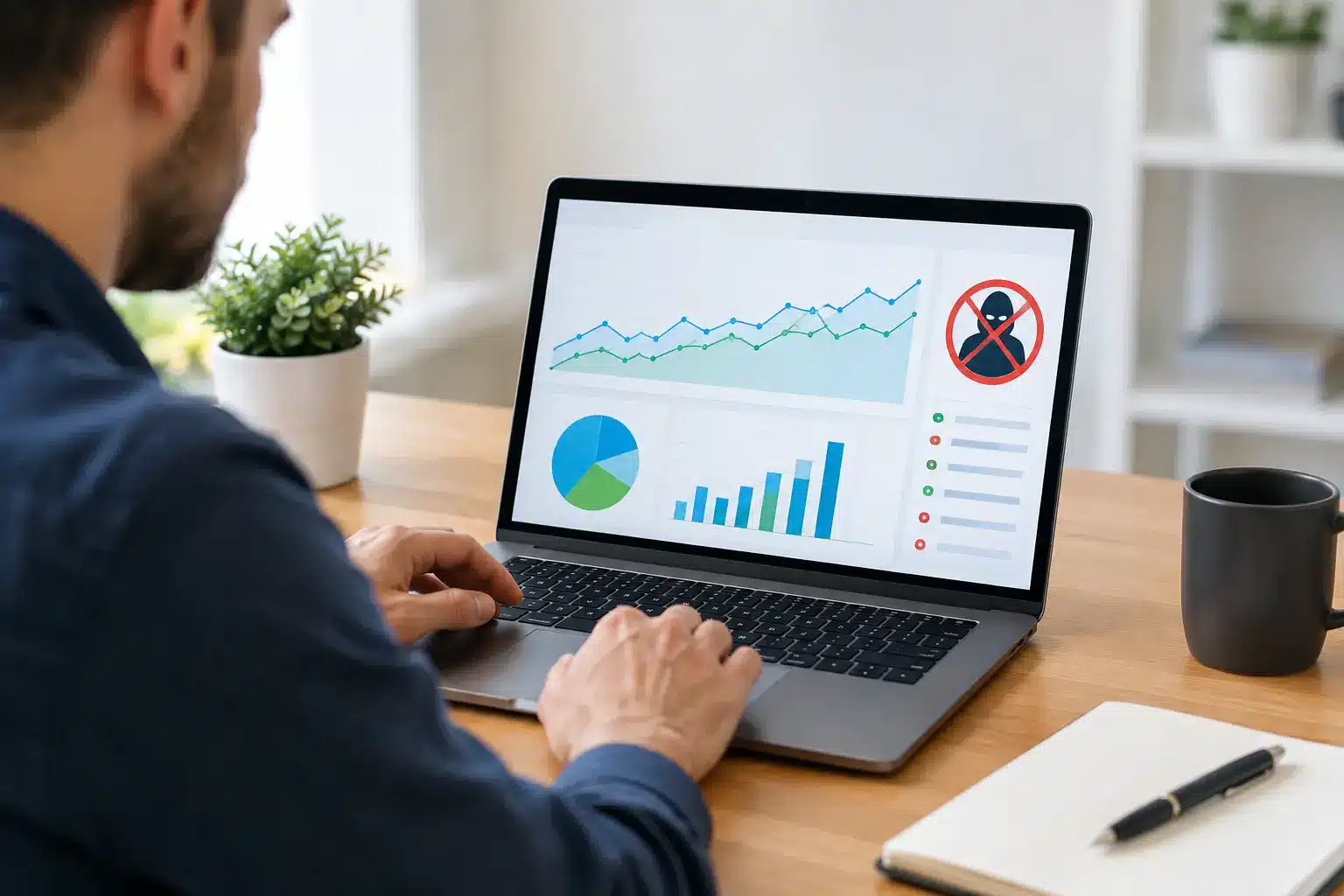
A click can look legitimate in an ad dashboard and still be worthless to your business. It may come from a bot, a click farm, a competitor, an accidental tap, or a real person with no chance of becoming a lead or buyer. That is why a serious click fraud software review should focus on more than how many suspicious clicks a platform claims to block. The real question is whether it helps protect your ad spend while preserving the real human traffic your funnel needs to grow.
For affiliate marketers, network marketers, funnel builders, and list builders, bad traffic creates a double loss. You pay for the visit, then you waste follow-up time and email capacity on weak leads. The right protection tool can help. But it cannot turn a low-quality traffic source into a profitable campaign. Knowing the difference will save you money and help you make better decisions.
What Click Fraud Software Is Actually Meant to Do
Click fraud software monitors paid traffic for patterns that suggest invalid or manipulated activity. Depending on the platform and traffic channel, it may identify repeat clicks from the same IP address, unusual device behavior, data-center traffic, automated browsing, suspicious geographic patterns, or clicks that never behave like normal visitors.
Some tools only provide reporting. Others automatically block suspicious users, build exclusion lists, or send data back to an ad platform. That distinction matters. Reporting gives you visibility. Active prevention can reduce waste, but only if the software is accurate enough not to block legitimate prospects.
For direct-response marketers, the value is not in a dramatic fraud percentage on a dashboard. The value is in cleaner data and a better path from click to opt-in, follow-up, and sale. If the tool removes bad activity but your real opt-in rate, lead quality, and cost per acquisition do not improve, it may be solving the wrong problem.
Click Fraud Software Review: What to Evaluate
A useful review starts with your traffic source. Fraud detection for search ads can work differently from fraud detection for display, native, social, solo ads, or traffic purchased through a third-party provider. Do not assume a tool built around one channel will protect every click source equally well.
Detection methods should be clear
Be cautious when a provider says it uses proprietary AI but cannot explain what it detects or how it acts on that information. You do not need access to the algorithm, but you should be able to understand the broad signals involved and whether the system flags, blocks, or merely reports suspicious activity.
Look for practical evidence such as click timestamps, IP or network patterns, device data, location data, repeat-visit behavior, and reasons a click was categorized as suspicious. Clear reporting makes it easier to audit the software’s decisions instead of accepting a black-box score.
False positives can cost real leads
Blocking fraud is useful. Blocking a legitimate prospect who clicked twice because they were comparing your offer is not. This is one of the biggest trade-offs in click protection.
A strict system may show impressive blocking numbers while quietly removing good traffic. Ask whether you can adjust sensitivity, whitelist trusted sources, review blocked visits, and reverse decisions when needed. The goal is not to block the most clicks. It is to remove traffic that is unlikely to produce a real business outcome.
Integration should match your setup
If a tool requires complicated scripts, several disconnected dashboards, or constant manual maintenance, smaller teams often stop using it correctly. For a funnel builder running paid traffic, the ideal setup should fit into the tools already handling ads, pages, tracking, and conversions.
Before buying, confirm which ad platforms and tracking systems are supported. Also ask what happens after fraud is detected. Can the system create exclusions automatically? Can it tag sessions in your analytics? Can it show whether suspicious traffic reached your opt-in page or conversion event? A platform that finds problems but leaves you to do all the cleanup may have limited practical value.
Reporting must connect to conversion data
Traffic protection reports are easy to misread when they only show clicks blocked or fraud scores. Those are operational metrics, not business results.
The better view connects traffic quality with opt-ins, lead validation, email engagement, booked calls, purchases, refunds, and customer value. A campaign can have low technical fraud yet still bring leads who never open an email or respond to follow-up. That is poor traffic quality, even if no software labels it fraudulent.
Pricing should make financial sense
Click fraud tools can charge by ad spend, number of clicks, protected domains, or features. A low monthly price is not automatically a good deal if it lacks automation or useful reporting. A higher-priced tool can be justified if it protects meaningful spend and gives your team clear action steps.
Use a simple test: estimate the monthly spend you believe is being wasted, then compare that figure with the software cost and the time needed to manage it. If you are spending a small amount and already have clean conversion data, advanced software may be premature. If you are scaling a proven campaign and seeing unexplained click volume, rising costs, or inconsistent lead quality, the math becomes more compelling.
Filtering Bad Clicks Is Only Half the Job
Click fraud software can help identify suspicious activity—but it can’t turn low-quality traffic into real prospects.
ELP focuses on the other side of the equation: real Tier-1 visitors, independently tracked through ELP Traffic OS so you can see what happens after the click.
✓ Trusted by 13,000+ marketers
✓ 400+ verified customer reviews
✓ 100% money-back guarantee
Fraud Prevention Is Not Traffic Quality Control
This is where many marketers get disappointed. Click fraud software can identify invalid activity, but it does not guarantee buyers. A click from a real person can still be a poor click because the audience targeting is wrong, the traffic source is weak, or the offer does not match what was promised in the ad.
For example, a campaign may attract real people who are only looking for free information, incentives, or quick entertainment. They may opt in at a reasonable rate but never engage, take calls, or purchase. Fraud software will not fix that. The solution may involve better targeting, stronger pre-qualification, cleaner ad messaging, or a more relevant landing page.
This is why lead quality deserves equal attention. Track more than the first conversion. Watch confirmation rates, email engagement, duplicate records, phone validity when applicable, downstream sales activity, and refund patterns. These signals show whether you are building a usable list or simply collecting names.
At Extreme Lead Program, the focus is real human traffic and conversion-focused lead generation, because clean technical traffic alone is not the finish line. The traffic needs to give your funnel a fair opportunity to produce opt-ins, stronger prospects, and sales conversations.
A Practical Testing Process Before You Commit
Do not install click protection and assume the problem is solved. Run it as a measured test. Start by documenting your baseline: ad spend, clicks, cost per click, opt-in rate, cost per lead, email engagement, and sales results. If you do not know what is changing, you cannot judge whether the software is helping.
Then use the tool on a defined campaign or traffic segment. Avoid changing your offer, targeting, landing page, and budget at the same time. Too many changes make the results impossible to interpret.
During the test, review these five areas:
- The percentage and type of traffic flagged or blocked
- Whether valid leads or conversions decline unexpectedly
- Changes in cost per qualified lead, not just cost per click
- The quality of the software’s explanations and reporting
- The amount of manual work required to maintain the system
Give the test enough time to produce meaningful data. A handful of clicks does not establish a pattern. At the same time, do not keep paying for a tool indefinitely because its dashboard looks sophisticated. If it cannot show a credible impact on waste, lead quality, or decision-making, move on.
Questions to Ask Before Choosing a Tool
Ask the provider how it handles repeat visitors, shared networks, VPNs, mobile traffic, and automated traffic that mimics human behavior. Ask whether suspicious clicks are blocked before they reach your page or identified afterward. Ask whether you can see the evidence behind a decision and whether you control exclusions.
Also ask a more basic question: what problem are you trying to solve? If your paid traffic is filled with obvious bot activity, fraud protection may be the right first move. If your traffic is technically real but does not opt in or buy, start with the source, message, targeting, and funnel. Better software cannot compensate for traffic that was never likely to convert.
The best protection is a combination of transparent tracking, careful source selection, and a funnel built to measure real actions. Treat every traffic purchase as a test of lead quality, not a contest to generate the biggest visitor number. That mindset keeps your budget focused where it belongs: on real people who can become subscribers, prospects, and customers.
Leave a Reply