
7 Best Traffic Sources for Funnels
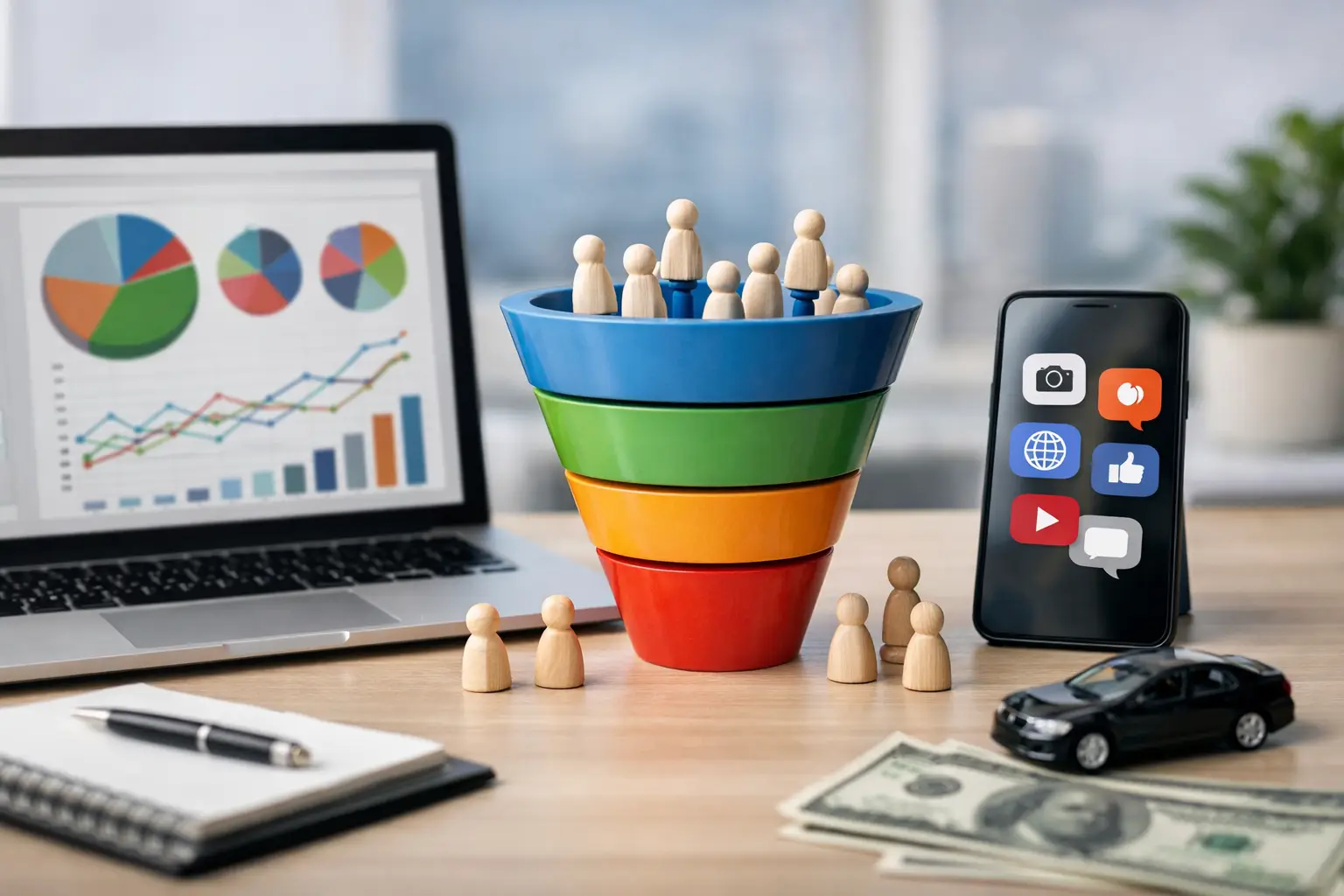
Bad traffic usually does not fail loudly. It fails quietly – with cheap clicks, weak opt-ins, junk leads, and a funnel that looks broken when the real problem is the source feeding it. If you are trying to figure out the best traffic sources for funnels, the right question is not where you can buy the most clicks. It is where you can get real human attention from people who are actually likely to opt in, follow up, and buy.
That distinction matters even more for affiliate marketers, network marketers, MMO marketers, and list builders. In these markets, low-quality traffic can drain a budget fast and leave you blaming your page, your emails, or your offer. Sometimes the funnel needs work. But often, the traffic is the bottleneck.
What actually makes a traffic source good for funnels?
A good traffic source does three things well. It matches buyer intent, it delivers consistent volume, and it gives you a realistic path to positive ROI. If one of those pieces is missing, the source may still produce activity, but not the kind of activity that grows a list or creates sales opportunities.
For funnel builders, quality matters more than raw volume. Ten visitors who understand the problem your funnel solves are worth more than a hundred random clicks. That is why the best traffic sources for funnels are not always the biggest platforms or the cheapest clicks. They are the sources that bring in the right people at the right stage of awareness.
The best traffic sources for funnels
1. Solo ads
Solo ads are still one of the fastest ways to drive traffic into an opt-in funnel, especially in affiliate, biz opp, network marketing, and MMO spaces. The reason is simple. You are borrowing attention from someone who already has a responsive email list in your niche.
When solo ads are good, they can generate leads quickly and give you useful conversion data fast. They work especially well for squeeze pages, lead magnet offers, webinar registrations, and front-end buyer funnels. They are also attractive for marketers who want traffic without managing ad platforms all day.
The trade-off is quality control. This is where a lot of marketers get burned. Not every vendor sends real, engaged human traffic. Some deliver weak clicks, recycled lists, poor targeting, or traffic that never had real buying intent to begin with. That means the source matters more than the channel. A trustworthy provider focused on real human traffic and lead quality is worth far more than a low-cost vendor promising massive volume.
2. Facebook ads
Facebook remains one of the strongest paid traffic sources for funnels when you need scale and targeting. It works well for lead generation because it allows you to interrupt attention and put a clear promise in front of a specific audience.
For many funnels, Facebook is not about catching someone who is already searching. It is about creating interest and moving a qualified prospect into your ecosystem. If your creative is strong and your landing page is simple, Facebook can produce steady opt-ins and a reliable flow of new leads.
The challenge is that Facebook traffic is colder than search traffic, and the platform is less forgiving than it used to be. Costs can rise fast if your message is vague, your targeting is off, or your funnel does not convert early. For beginners, this can become expensive. For experienced marketers with tested offers and proper follow-up, it can still be one of the best traffic sources for funnels.
Traffic fit note: Facebook can work extremely well, but it is not always friendly to every MLM, biz-op, affiliate, or make-money offer. Even when the traffic is real, ad approvals, account history, targeting rules, and claim wording can affect how far you scale. If your funnel depends on bold income claims or aggressive opportunity language, clean up the positioning before relying on Facebook as your main traffic source.
3. Google Search ads
Search traffic is powerful because intent is already there. The visitor is actively looking for a solution, which makes Google one of the highest-quality traffic sources available for the right funnel.
If you are promoting something tied to a clear problem, search traffic can outperform more passive traffic sources on lead quality and downstream sales. People searching for answers, tools, comparisons, or help are often much closer to action than someone casually scrolling a social feed.
The downside is competition. In many niches, clicks are expensive, and some direct-response offers do not fit the platform well. Google also requires more precision in keywords, ad copy, and landing page alignment. But when the funnel matches the search intent, the traffic can be excellent.
Traffic fit note: Google Search has high intent, but it can be strict with affiliate, bridge-page, MLM, biz-op, and income-style offers. The safer play is to send clicks to a transparent page with clear business details, realistic claims, helpful content, and a real reason for the visitor to trust you. Do not try to run a thin affiliate page or a page built around big earnings promises.
4. YouTube ads
YouTube is often overlooked by marketers who should be using it. Video allows you to pre-frame the click before the visitor ever lands on your page. That matters because better pre-framing often leads to stronger opt-in rates and fewer low-intent leads.
This source works well when your offer needs explanation, trust-building, or a stronger emotional connection. If your funnel depends on positioning, credibility, or a clear before-and-after outcome, YouTube gives you more room to do that than a short image ad.
The trade-off is creative. Weak video gets ignored. Generic video gets skipped. You need a clear hook, a direct message, and a landing page that continues the same conversation. When those pieces line up, YouTube can become a strong list-building channel.
Traffic fit note: YouTube can warm people up fast, but it is still paid traffic running through a strict ad platform. MLM, affiliate, biz-op, financial, and make-money-style offers need extra care with claims, testimonials, and landing page transparency. Use the video to educate and pre-frame, not to overpromise.
5. Native ads
Native traffic can work well for funnels that lead with curiosity, education, or a strong advertorial angle. Instead of pushing directly for the opt-in with a hard sales message, native ads often warm the prospect through content first.
This makes native useful for marketers who understand presell. If your funnel performs better when people get context before they see the offer, native traffic can be effective. It also opens the door to broader audiences than strict search targeting.
That said, native can produce a lot of clicks without a lot of results if the bridge between ad, content, and funnel is weak. It is not a traffic source to run casually. It requires message match, good copy, and solid tracking. Otherwise, it becomes a click campaign instead of a lead campaign.
6. Organic content traffic
Organic traffic is slower to build, but it can be one of the most profitable traffic sources over time. This includes SEO content, YouTube content, short-form social content, and authority-building posts that bring people into your funnel naturally.
The main advantage is trust. People who find you through content often arrive warmer than paid traffic because they have already consumed part of your message. That can mean better opt-ins, lower lead costs over time, and more stable list growth.
The obvious downside is speed. If you need leads this week, organic alone is rarely enough. It is a strong long-term asset, not always the fastest short-term answer. Many smart marketers use organic to build trust and paid traffic to create volume.
7. Email drops and newsletter sponsorships
This channel sits close to solo ads, but it is often more brand-driven and audience-specific. Instead of buying generic traffic, you are getting in front of a curated email audience through a recommendation, placement, or dedicated send.
For certain niches, this can outperform broader ad platforms because the trust is already built. If the audience is aligned and the message is clear, sponsored placements can send highly responsive traffic into a lead funnel.
The catch is fit. If the list does not match your offer, the traffic quality falls off fast. This is why audience alignment matters more than send size.
How to choose the right source for your funnel
The best source depends on what your funnel is trying to do. If you want quick opt-in data, solo ads can make sense. If you want scale and targeting, Facebook may be the better play. If intent matters most, search traffic is hard to beat. If your offer needs explanation, YouTube often deserves more attention than it gets.
You also need to match the source to the funnel stage. A simple squeeze page can do well with cold paid traffic if the promise is strong. A higher-ticket offer usually needs more trust, which means the traffic source must give you room to build that trust before asking for action.
This is where many campaigns fail. Marketers send cold, low-intent traffic into a funnel built for warm prospects, then wonder why the conversion rate is low. The issue is not always the page. It is often the mismatch.
What to avoid when buying funnel traffic
Avoid judging traffic by click volume alone. Cheap clicks are expensive when they do not turn into leads or buyers. Avoid traffic providers who talk only about visitors and never about lead quality, opt-ins, or downstream conversions. And avoid adding complexity too early. A simple funnel with a strong message and a reliable traffic source will usually outperform a complicated system built on weak traffic.
If you are buying traffic, ask better questions. Is it real human traffic? Is the audience relevant? Can the provider speak clearly about lead quality? Do they understand funnels, not just clicks? Those questions will save you more money than any discount ever will.
For marketers who want a simpler route, done-for-you traffic can make sense if the provider is focused on quality over inflated numbers. That is one reason brands like Extreme Lead Program stand out to marketers who care about real leads, list growth, and conversion-focused traffic instead of vanity metrics.
The smart move is not to chase every channel. Pick one source that fits your funnel, measure lead quality closely, and improve from real data. Good traffic gives your funnel a chance to work. Great traffic gives your business room to grow.
Related Topics:
Leave a Reply