
Paid Traffic That Builds Leads, Not Empty Clicks
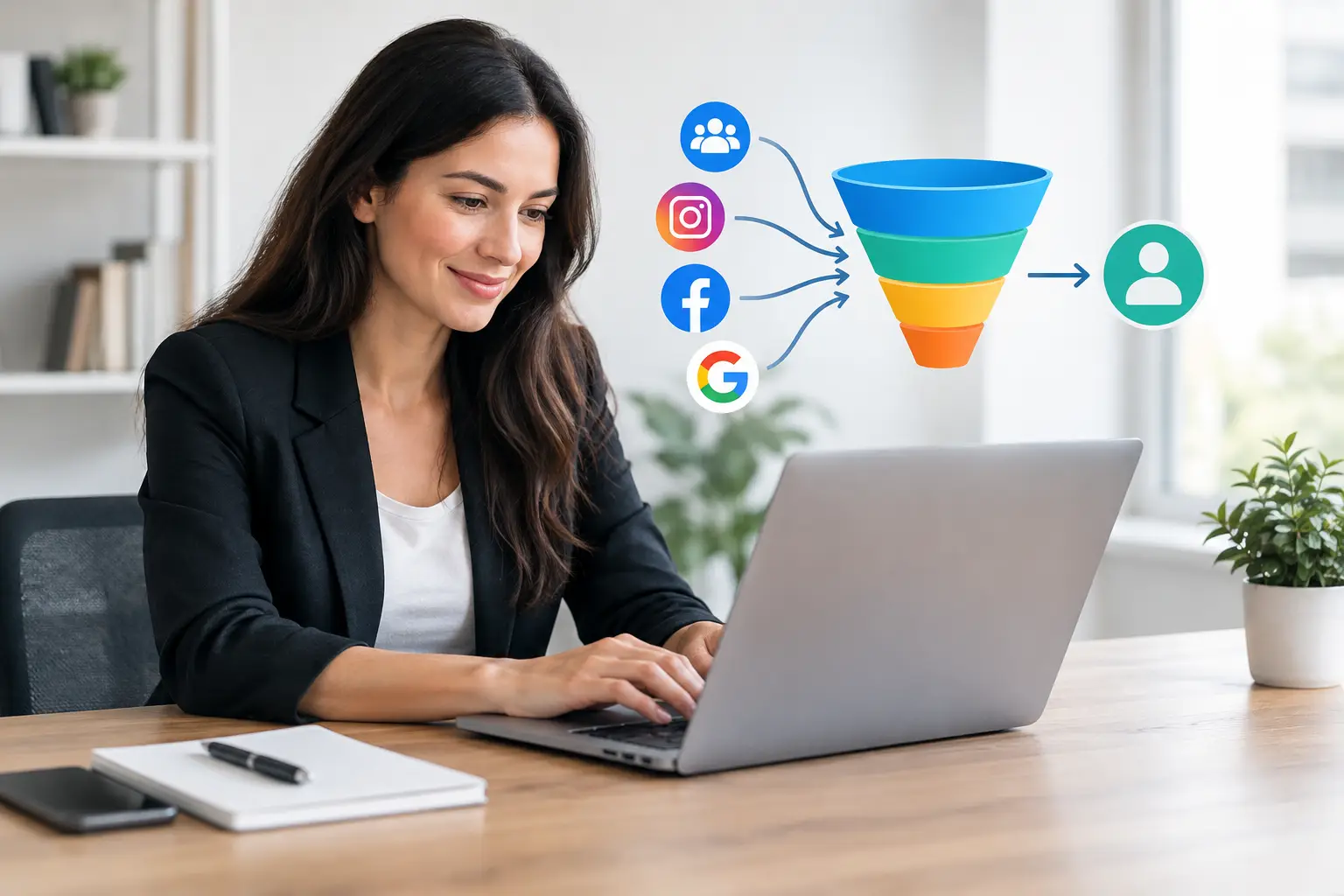
A traffic report can look great while your business goes nowhere. You see hundreds of visits, your dashboard shows clicks, and yet your opt-in count barely moves. That is the hard lesson many marketers learn after buying paid traffic: a click is not automatically a prospect, and a prospect is not automatically a sale.
Paid traffic works when it is treated as a system, not a shortcut. The source has to reach real people who could care about your offer. Your page has to give those people a clear reason to act. Then your follow-up has to continue the conversation after they leave. Miss one part, and even legitimate traffic can feel like a waste of money.
For affiliate marketers, network marketers, list builders, and direct-response entrepreneurs, the goal is not to buy the most visitors. The goal is to create a predictable flow of relevant visitors who can become subscribers, conversations, customers, or team prospects over time.
What Paid Traffic Is Really Buying
At its simplest, paid traffic means paying for exposure or visitors through channels such as PPC advertising, solo email ads, SMS advertising, sponsored placements, or traffic packages. Each source has a different strength, a different level of control, and a different learning curve.
PPC can offer detailed targeting and fast feedback, but it requires careful tracking, ad policy awareness, and ongoing optimization. Solo email ads can put an offer in front of another publisher’s audience quickly, but list quality and offer fit matter more than the headline click count. SMS can create immediate attention for a time-sensitive offer, but permission, message relevance, and frequency are non-negotiable. Done-for-you traffic is often the simplest place to start when you need visitors without managing an ad platform yourself.
None of these sources is inherently good or bad. The right choice depends on your offer, your landing page, your budget, and what you need to learn next. A new marketer with a basic squeeze page may benefit from a straightforward campaign that generates enough real visitor data to evaluate the page. An experienced marketer with a proven funnel may be ready for more controlled testing and scaling.
The mistake is assuming every source should deliver the same outcome. A campaign designed to build an email list should be judged differently from one designed to produce booked calls or direct sales.
Why Good Clicks Still Produce Bad Results
When a campaign disappoints, marketers often blame the traffic first. Sometimes that is fair. Bot activity, click farms, misleading placements, and untargeted visitors are real problems. If delivery data cannot be explained clearly, review the source and tracking setup. Short visits alone do not prove bot traffic: page speed, audience mismatch, accidental clicks, and measurement differences can also affect the report.
But real human traffic can also fail when the offer and funnel are mismatched. Sending business-opportunity traffic to a broad product page, for example, asks a cold visitor to make too many decisions. Sending a beginner to a long, jargon-heavy page can have the same effect. They may be genuine people, but the message did not earn the next step.
Look at the entire path before calling a campaign a failure:
- Did the traffic come from a relevant audience and a transparent delivery method?
- Did the landing page load quickly and look credible on mobile?
- Is the headline specific about the benefit of opting in?
- Does the form ask only for information you truly need?
- Does the first follow-up message arrive promptly and match the promise on the page?
Those questions matter because paid campaigns magnify whatever is already in place. A clear funnel gets more opportunities. A weak funnel gets more expensive evidence that it needs work.
Build the Funnel Before You Buy More Traffic
Your landing page does not need to be complicated. It needs one job. For most list-building campaigns, that job is to get the visitor to exchange an email address for a relevant, believable benefit.
A good squeeze page starts with a headline that identifies the desired result or problem. It follows with a short explanation of what the visitor will receive and why it is useful. The call to action should tell them exactly what happens next. If they are joining a training, say that. If they are getting a checklist, say that. If the next step is a presentation or consultation, do not disguise it as something else.
This is especially important in affiliate and MLM marketing, where visitors have often seen exaggerated claims before. Clear positioning is not less persuasive. It filters for people who are more likely to engage because they understand what they are requesting.
Keep the page focused. Too many links, multiple offers, autoplay videos, and long blocks of vague copy create leaks. A cold visitor should be able to understand the offer in a few seconds. If they cannot, more traffic will not solve the problem.
After the opt-in, the follow-up sequence does the work many marketers ignore. A new lead may not be ready to buy, book a call, or join a program on day one. Use your first few messages to deliver the promised value, set expectations, answer common objections, and introduce the logical next action. CRM automation helps make that process consistent, but automation cannot rescue irrelevant messages.
Start With a Small, Trackable Traffic Test
Put your page in front of 100 real human Tier-1 clicks for $27. Extreme Lead Program handles campaign setup, delivery, and traffic-quality monitoring, while you review the response in your own funnel. Use this introductory sample to spot questions worth investigating before a larger campaign; it is not a conclusive test of profitability.
One-time payment. No subscription. One test per customer.
How to Measure Paid Traffic Without Fooling Yourself
Clicks are a delivery metric. A recorded click does not always mean the destination loaded successfully or that a unique person visited. Compare campaign delivery with landing-page visits and tracked form submissions before judging what happened after the click.
Start with the numbers closest to your actual objective. For an opt-in funnel, measure unique visitors, opt-ins, conversion rate, cost per lead, and the quality of early engagement. Are subscribers replying, attending, or taking the next step? Treat email opens and clicks as supporting signals, since automated activity can inflate them. A cheap lead that never engages may cost more in the long run than a higher-priced lead that fits your offer.
For a direct sales funnel, track the full chain: visitors, opt-ins or checkout starts, purchases, revenue, refund behavior where applicable, and cost to acquire a customer. For a call-based business, track leads, booked calls, show-up rates, and qualified conversations. The useful metric is the one that reflects your business model, not the one that makes a dashboard look impressive.
Give a campaign enough volume to produce a meaningful signal, but do not keep spending blindly. If visitors arrive but few opt in, check tracking, audience fit, the page, and the offer. Small samples can vary widely, so avoid treating an early result as a dependable conversion rate. If opt-ins are coming in but no one responds, check delivery, the lead magnet, and the relevance of the email sequence. If engagement is strong but sales are weak, review the transition to your offer, pricing, presentation, or sales process.
Tracking should be simple enough to use. At minimum, know where each campaign was sent, how many visitors arrived, how many leads were generated, and what happened to those leads afterward. Use separate tracking links or clearly labeled campaigns so you are not guessing which source produced which result.
A Paid Traffic Example: Look Beyond Cost Per Click
Suppose a campaign costs $150 and produces 300 recorded landing-page visitors, 30 opt-ins, and six relevant replies. These are illustrative numbers, not customer results or performance benchmarks.
- Cost per visitor: $150 ÷ 300 = $0.50.
- Opt-in rate: 30 ÷ 300 × 100 = 10%.
- Cost per lead: $150 ÷ 30 = $5.
- Cost per relevant reply: $150 ÷ 6 = $25.
Those numbers show different stages of the same campaign. They do not establish profitability. You still need customer purchases, the time it takes to convert, and the margin or net commission available after refunds and other costs. A campaign with cheaper clicks can be the worse option if few of those visitors become useful conversations.
Define a relevant or qualified lead before testing. For example, it might be someone who requests the type of service you provide and agrees to a next conversation. Count that consistently across sources. For a wider set of measures, see our guide to conversion optimization for better leads.
Choosing a Traffic Source That Fits Your Stage
Beginners often need clarity more than complexity. A manageable traffic campaign sent to one focused squeeze page can help you check delivery and identify early friction. If you are still choosing a channel, start with our paid traffic guide for beginners. You do not need five traffic sources at once. In fact, testing too many sources at once makes it harder to identify what caused the result.
Experienced marketers may need segmentation and scale. They can test different angles, pages, lead magnets, and follow-up sequences against specific audiences. Even then, change one meaningful variable at a time. If you replace the ad, landing page, offer, and email sequence simultaneously, you may get a better result without knowing why.
Budget also changes the answer. With a smaller budget, prioritize clean delivery, a focused offer, and measurement over broad experimentation. With more budget, reserve part of it for testing and part for scaling what has already shown promise. Do not treat all spend as a scaling budget when you are still diagnosing the funnel.
Extreme Lead Program is built for marketers who want a more straightforward route to real people, relevant Tier-1 traffic, lead generation support, and conversion-focused funnel services. The right expectation is not guaranteed earnings or automatic sales. It is transparent traffic delivery and a practical opportunity to put a working offer in front of people who may be interested.
The Better Way to Scale Paid Traffic
Scale after you have evidence, not because a campaign feels exciting. Evidence might be a landing page that consistently converts visitors into subscribers, a follow-up sequence that earns engagement, or a sales process that turns a known percentage of qualified leads into customers. It does not have to be perfect. It needs to be repeatable enough that increasing volume makes business sense. A high opt-in rate alone is not a reason to scale if lead quality and customer acquisition costs are still unknown. See how to scale paid traffic while protecting ROI for the next stage.
When you scale, watch for quality changes. A larger campaign may reach a broader portion of an audience, and conversion rates can shift. That does not automatically mean the source is bad. It may mean your original audience segment was more responsive, or your offer needs a different angle for the expanded group. Keep measuring lead behavior, not just delivery totals.
The marketers who get the most from paid traffic are rarely the ones chasing the lowest possible cost per click. They are the ones who respect the path after the click. Give real visitors a relevant reason to opt in, follow up with something worth reading, and let the numbers guide your next decision.
Related Topics:
Leave a Reply