AI Funnel Personalization for Better Leads
A visitor who clicks your ad is not automatically a prospect. They may be curious, skeptical, new to the problem, comparing options, or ready to act. Sending every one of them through the same generic funnel is one reason marketers end up paying for clicks that produce weak opt-ins and even weaker sales.
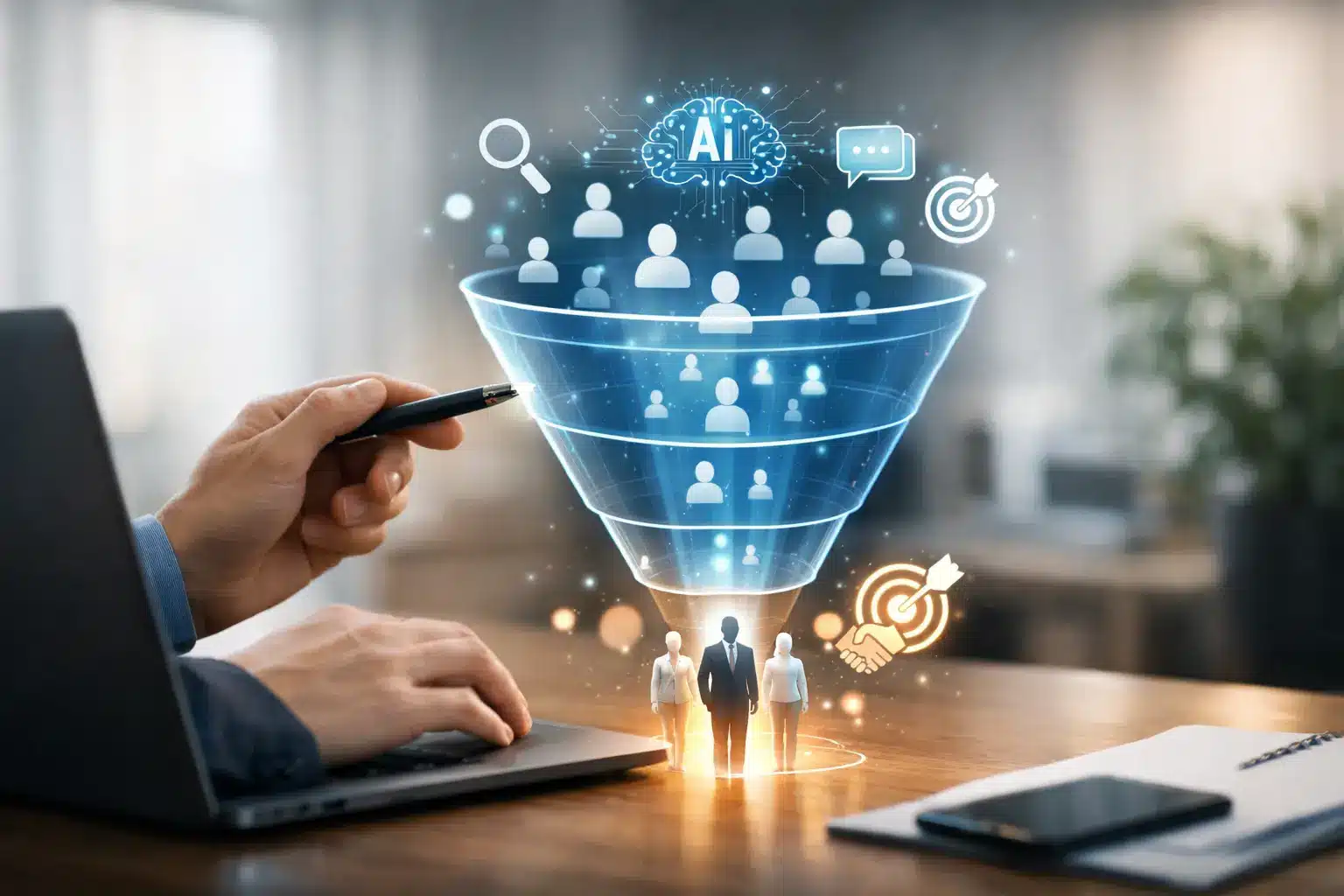
AI funnel personalization helps you adjust the experience based on what a real person does, needs, and appears ready to consider. Used well, it can improve relevance without adding a complicated stack of tools or turning your funnel into a science project.
For direct-response marketers, the goal is not to make a funnel look smarter. The goal is to turn qualified human traffic into more subscribers, better conversations, and more legitimate sales opportunities.
What AI Funnel Personalization Actually Does
At a practical level, AI funnel personalization uses data to decide what a visitor should see next. That might mean changing a headline, selecting the most relevant lead magnet, adjusting follow-up emails, or identifying which leads deserve faster attention.
The useful data is usually straightforward: traffic source, ad angle, device, location, pages viewed, forms completed, email behavior, and previous purchases. AI can look for patterns across those signals faster than a marketer can do manually.
For example, someone arriving from an ad about building an email list should not necessarily see the same page as someone who clicked an ad focused on getting more buyers from an existing list. Both visitors may be a fit for your business, but their immediate problem is different. The first visitor may respond to a simple lead-generation offer. The second may need proof that your system can improve follow-up and conversion.
Personalization gives each visitor a clearer next step. It does not replace sound direct-response fundamentals. A weak offer, vague promise, or poor traffic source will not become profitable because an AI tool changed a button color.
Start With Traffic Quality, Not Automation
Personalization works best after you establish a basic truth: the people entering your funnel need a real chance of becoming customers. If your traffic includes bots, incentivized clickers, or people with no interest in your market, the system is learning from bad input.
That is the hidden risk many marketers overlook. AI can optimize toward the wrong behavior if the initial data is poor. It may learn that a certain source generates cheap opt-ins, even if those subscribers never open an email, answer a call, or buy. Cheap leads are not always valuable leads.
Start by measuring quality beyond the opt-in. Track whether leads confirm their email, open the first few messages, click meaningful links, book a call when appropriate, respond to follow-up, or make a purchase. These signals show whether your traffic and funnel are producing real people with real intent.
This is why real human traffic matters. A personalized funnel can make a relevant offer more persuasive, but it cannot manufacture trust or purchase intent from junk clicks. Brands such as Extreme Lead Program focus on traffic and leads that support list growth and conversions, because the quality of the visitor affects every decision that comes after the click.
AI Can Personalize Your Funnel. It Can’t Fix Bad Traffic.
Start with real Tier-1 visitors, then use personalization to turn more of them into leads and customers.
Real clicks. Real people. 100% money-back guarantee.
Where Personalization Produces the Most Value
You do not need to personalize every part of a funnel on day one. That creates more variables, more reporting gaps, and more chances to misread the results. Begin where relevance has a direct effect on an action that matters.
Match the Landing Page to the Entry Angle
The ad, email, social post, or referral that brought a visitor in tells you something about their interest. Carry that message into the landing page. If the traffic source is promoting a beginner-friendly system, the page should speak to simplicity, guidance, and a clear first step. If the source focuses on scaling a proven offer, speak to volume, lead handling, and return on ad spend.
AI can help create and test message variations at scale, but the strategy should come from you. Define the major prospect groups first. Otherwise, you risk producing many versions of a page with no meaningful difference between them.
Personalize the Follow-Up, Not Just the First Page
Most leads do not buy on their first visit. A better follow-up sequence is often where personalization pays for itself.
A new subscriber who downloaded a checklist may need education and proof. A visitor who returned to a pricing page twice may need a direct explanation of what they receive, how setup works, and what risk is removed. A former customer may need an upgrade path rather than another entry-level pitch.
AI can group contacts by engagement and help select the next email topic or offer. Keep the messages grounded. Refer to behavior only when it improves the conversation. Telling someone you noticed they opened three emails can feel intrusive. Sending a useful next step based on the topic they requested feels relevant.
Prioritize Leads for Personal Contact
For affiliate marketers, network marketers, and high-ticket funnel builders, a lead score can save time. AI can assign more weight to actions that indicate intent, such as completing a detailed application, returning to an offer page, watching a substantial portion of a presentation, or replying to an email.
The score should guide your attention, not make the final decision. A motivated buyer does not always behave like your model expects. Review the patterns, check the lead record, and use good judgment before writing anyone off.
A Simple Way to Build an AI-Personalized Funnel
Start with one funnel and one conversion goal. It could be a stronger opt-in rate for a lead magnet, more qualified applications, or more first-time buyers. Trying to improve every metric at once usually creates confusion.
First, identify two or three meaningful segments. A practical split might be new marketers, marketers with an existing list, and visitors who have already engaged with your offer. Build a clear message for each group based on the problem they are most likely trying to solve.
Next, choose the data you can trust. Use first-party funnel data whenever possible: form answers, page behavior, email engagement, purchase history, and declared interests. Do not rely on assumptions pulled from vague audience labels.
Then create a small number of personalized experiences. That may be three landing-page headline versions, two follow-up paths, and one lead-priority rule. Keep a control version so you can compare results against the existing funnel.
Finally, review downstream results weekly. Do not judge performance only by click-through rate or cost per lead. Compare lead-to-sale conversion, email engagement, refund rates if applicable, and revenue per lead. The winning version is the one that improves the business outcome, not merely the dashboard metric that looks best at first glance.
The Trade-Offs Marketers Need to Respect
More personalization is not always better. Every additional branch adds maintenance. If you cannot explain why a segment sees a different message, you probably do not need that segment yet.
There is also a privacy and trust issue. Be transparent about data collection, protect customer information, and avoid personalization that feels like surveillance. Direct-response marketing works better when prospects understand what they are signing up for and what will happen next.
AI tools can also produce confident but inaccurate copy, summaries, and recommendations. Review the output. Check claims, pricing, compliance language, and testimonials before anything goes live. If you are in affiliate, MLM, or make-money-online markets, this review is especially important. Strong positioning should never depend on promises you cannot prove.
Make Relevance Earn Its Place
The best AI funnel personalization is often invisible to the prospect. The page simply makes sense. The emails arrive in a logical order. The offer addresses the problem that brought them there. The sales conversation starts with context instead of guesswork.
That is a better standard than adding AI to every step because competitors are doing it. Feed your funnel with real human traffic, measure what qualified leads do after they opt in, and personalize only where it helps people make a clearer decision. When relevance supports trust, your list becomes more valuable than a larger list full of names that were never likely to buy.
Leave a Reply