
The Basics of Affiliate Marketing: How It Works & Why It Still Matters
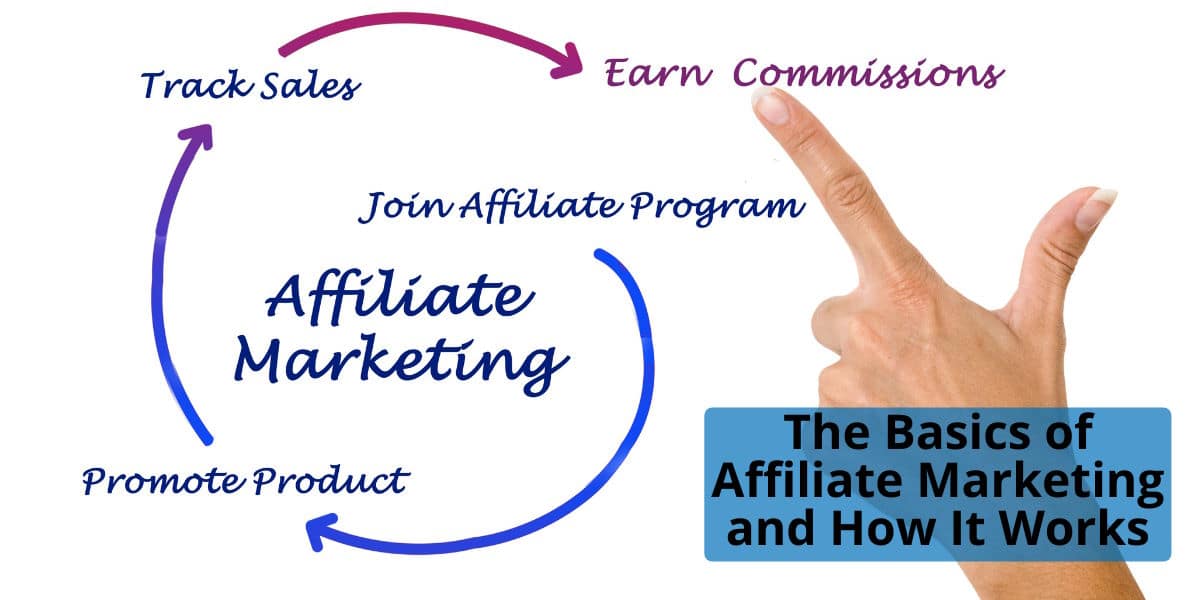
Affiliate marketing continues to be one of the most practical ways for businesses, creators, and online marketers to grow in 2026. Instead of paying only for impressions or hoping traffic turns into sales, affiliate marketing is built around performance: clicks, leads, sales, and measurable actions.
The channel is still growing fast. EMARKETER projects U.S. affiliate marketing spending to reach $13.81 billion in 2026, up from 2025, as brands lean more heavily on creators, AI-assisted marketing, and performance-based partnerships.
In this updated guide, you’ll learn what affiliate marketing is, how it works in 2026, what has changed, and why traffic quality matters more than ever.
What Is Affiliate Marketing?
Affiliate marketing is a performance-based marketing model where a business rewards partners, known as affiliates, for sending traffic, leads, or sales.
Here’s the simple version:
A business has a product or service to sell.
An affiliate promotes that offer using a unique tracking link, coupon code, landing page, or referral system.
When someone clicks, opts in, buys, or completes a required action, the affiliate earns a commission.
That commission may be a percentage of the sale, a flat payout per lead, a recurring commission, or a performance bonus based on volume.
In 2026, affiliates are not just bloggers. They can be YouTubers, TikTok creators, Instagram influencers, newsletter owners, paid traffic buyers, SEO publishers, email marketers, SMS marketers, community owners, and everyday marketers with an audience or traffic source.
How Does Affiliate Marketing Work in 2026?
Here’s the modern step-by-step breakdown.
1. The Advertiser Creates an Offer
The advertiser is the brand, business, course creator, software company, ecommerce store, or service provider that wants more customers.
They create an affiliate program and decide what they will pay for. This could be:
Sales
Leads
Free trial signups
Phone calls
Booked appointments
App installs
Email opt-ins
The stronger the offer and funnel, the easier it is for affiliates to promote.
2. Affiliates Join the Program
Affiliates sign up and receive a unique tracking link, coupon code, or referral ID.
This tracking allows the business to know which affiliate generated each click, lead, or sale.
In 2026, tracking is more advanced than it used to be, but it also needs to be more privacy-aware. Google continues to recommend that website owners test how their sites behave when third-party cookies are blocked by user choice, which makes first-party tracking, server-side tracking, and clean attribution more important.
3. Affiliates Promote the Offer
Affiliates promote products and services through channels such as:
Blog posts
YouTube videos
Short-form videos
Email newsletters
Solo email ads
SMS campaigns
Paid ads
Review pages
Comparison pages
Social media posts
Communities and groups
Social commerce is also becoming more important. Meta has been adding affiliate shopping features to Instagram and Facebook, including affiliate product links in Reels and posts, showing how closely creator content and affiliate marketing are merging.
4. The Customer Clicks and Takes Action
A customer sees the affiliate’s content, clicks the link, visits the landing page, and decides whether to opt in, buy, or take the next step.
This is where traffic quality matters.
Cheap clicks do not automatically equal good results. Affiliates and brands need real visitors, clear landing pages, strong follow-up, and offers that match the audience.
5. The Affiliate Gets Paid
Once the required action is confirmed, the affiliate earns a commission.
Some programs pay instantly. Others pay weekly, monthly, or after a refund period. The best affiliate programs are clear about payout rules, tracking windows, refund policies, and commission terms.
What’s New in Affiliate Marketing for 2026?
Affiliate marketing still follows the same basic model, but the way people discover, compare, and buy products has changed.
AI Is Speeding Up Content and Campaign Creation
AI tools help affiliates write content, analyze audiences, build ad variations, summarize products, and test new hooks faster. But AI does not replace trust.
The affiliates who win in 2026 are not just publishing generic AI content. They are using AI to move faster while still adding real opinions, proof, examples, stories, and human experience.
Creator Commerce Is Growing
Creators are becoming a bigger part of affiliate marketing. Instead of only relying on big media sites or coupon platforms, brands now work with niche creators who already have trust with specific audiences.
This works especially well when the creator can demonstrate the product, explain the benefit, and show why it matters.
Compliance Matters More Than Ever
Affiliates must be clear when they have a relationship with a brand. The FTC says endorsements, influencer recommendations, and reviews should include clear disclosures when there is a material connection between the person promoting the product and the company.
That means affiliates should not hide the fact that they may earn a commission. Simple, clear disclosure builds trust and keeps promotions compliant.
Traffic Quality Matters More Than Volume
One of the biggest mistakes affiliates make is chasing the cheapest clicks possible.
But fake traffic, bots, junk clicks, and low-intent visitors do not build a real business.
In 2026, the better strategy is to focus on real people, relevant audiences, strong landing pages, and consistent follow-up.
That is especially important for affiliate marketers, MLM marketers, network marketers, and make-money-online marketers who depend on opt-ins, leads, and conversions.
Why Is Affiliate Marketing So Popular?
Affiliate marketing remains popular because it solves a major problem for both brands and affiliates.
Brands want growth without wasting ad spend.
Affiliates want a way to earn by promoting products they believe in or offers that match their audience.
Here are the biggest advantages.
It Is Performance-Based
Businesses only pay when a specific result happens. That could be a lead, sale, signup, or booked call.
This makes affiliate marketing easier to measure than many traditional advertising channels.
It Is Cost-Effective
Instead of spending money upfront and hoping an ad campaign works, brands can pay commissions after results are generated.
For affiliates, it is possible to start without creating their own product, fulfillment system, or customer support operation.
It Scales Through Other People’s Audiences
A good affiliate program can reach blogs, creators, email lists, communities, and traffic sources a brand may not be able to access alone.
It Builds Trust Through Recommendations
People are more likely to listen to someone they already follow, trust, or learn from.
That is why reviews, tutorials, case studies, and product comparisons can be so effective in affiliate marketing.
It Works Well With Funnels
Affiliate marketing works best when clicks do not go to a dead-end page.
A simple funnel can turn more visitors into leads and buyers:
Traffic
Landing page
Email or SMS follow-up
Offer
Retargeting
Conversion
This is where many affiliates lose money. They get clicks, but they do not have the right funnel or follow-up system in place.
Common Affiliate Marketing Mistakes to Avoid
Affiliate marketing can work extremely well, but only when it is done correctly.
Here are the biggest mistakes to avoid in 2026.
Buying Cheap Traffic That Does Not Convert
Low-quality traffic can make your stats look busy while your sales stay flat.
Clicks are not the goal. Leads and sales are the goal.
Promoting Too Many Offers at Once
If every email, video, or post promotes something different, your audience may stop trusting your recommendations.
Focus on offers that match your audience and solve a real problem.
Sending Traffic to a Weak Landing Page
Even good traffic will struggle if the page is confusing, slow, or unclear.
Your landing page should quickly answer:
What is this?
Who is it for?
Why should I care?
What do I do next?
Not Following Up
Most people do not buy the first time they see an offer.
Email and SMS follow-up can help turn cold clicks into warmer leads, especially when the follow-up provides value instead of just pushing for the sale.
Ignoring Disclosure Rules
Affiliate links should be disclosed clearly. Trust is one of the most valuable assets an affiliate has.
How to Make Affiliate Marketing Work in 2026
To succeed with affiliate marketing in 2026, focus on the basics that actually move the needle.
Start with a strong offer.
Send real traffic from real people.
Use a landing page that matches the promise of your ad, email, or content.
Capture leads instead of relying only on direct sales.
Follow up with email or SMS.
Track which traffic sources produce real opt-ins and sales.
Keep testing your headlines, offers, landing pages, and calls to action.
The affiliates who win are not always the ones with the biggest audience. They are the ones who understand their audience, send quality traffic, and keep improving the funnel.
Ready for Traffic From Real People?
Affiliate marketing is simple in theory, but results depend on the quality of your traffic.
If you are tired of fake clicks, bot traffic, and campaigns that look active but do not produce real leads, Extreme Lead Program can help.
We provide Tier-1 website traffic, solo email ads, SMS traffic, PPC traffic, and lead generation solutions built for real opt-ins — not vanity clicks.
Trusted by 13,000+ marketers and backed by 400+ verified customer reviews, Extreme Lead Program is built for marketers who want real people, real clicks, and a simple done-for-you setup.
Leave a Reply